


How to start a custom knitwear project in China
Prepare the references, product details and commercial requirements that help a development partner assess your idea.
Explore guidance on project briefs, MOQ, quotations, sampling, yarn, quality and factory evaluation.
Prepare the references, product details and commercial requirements that help a development partner assess your idea.
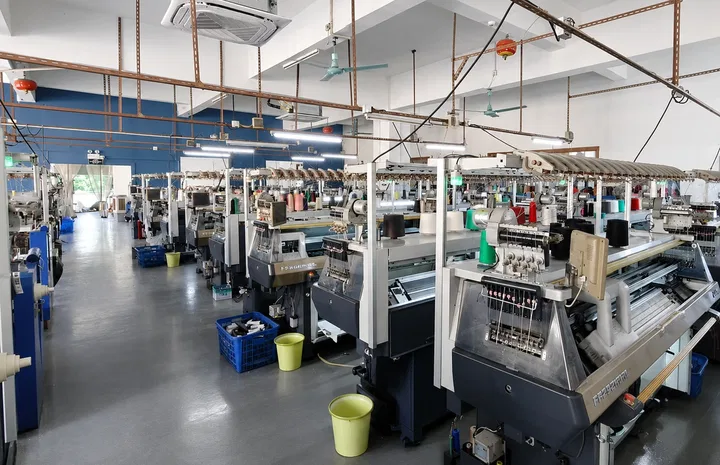
See how yarn, colour allocation, size mix and construction affect a workable minimum order.

Compare quotes against the same yarn, gauge, garment specification and service scope before judging price.
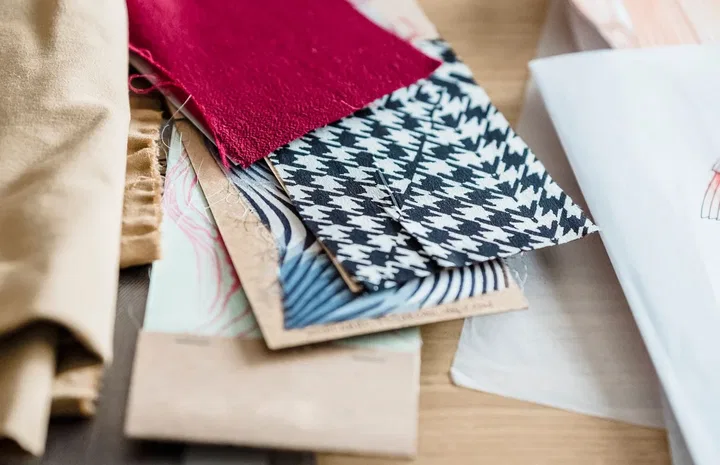
Start with references and a clear product goal. Learn what sampling must resolve when technical details are still open.
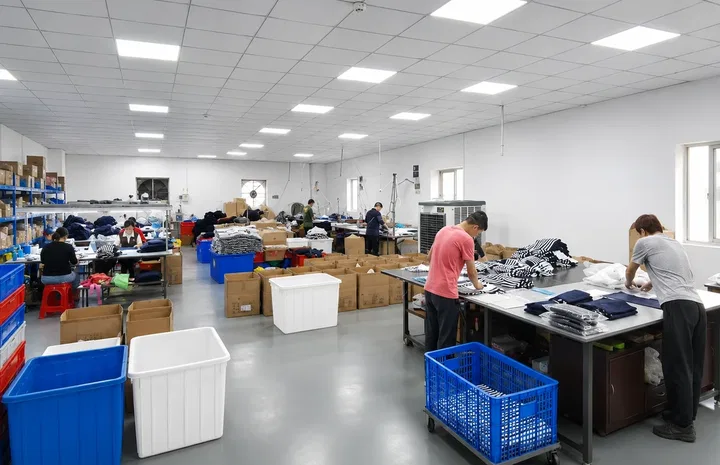
Review fit, measurements, hand feel, construction and finishing, then turn observations into useful sample comments.
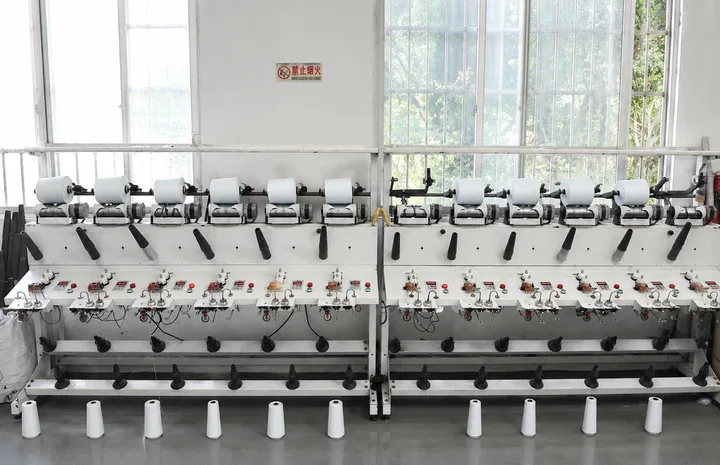
Understand how fibre, yarn, knitting gauge and density combine to shape the final garment.

Work backwards from your launch or shipment date, allowing for materials, sampling, revisions and approval.
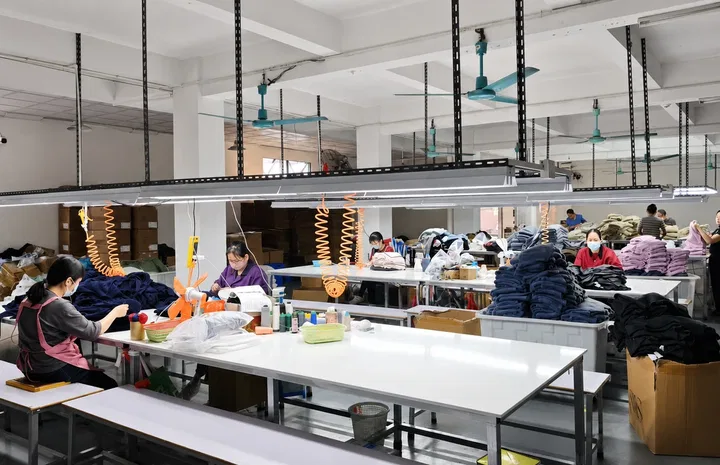
Confirm the garment specification, measurement tolerances, labels and packing details before bulk production.
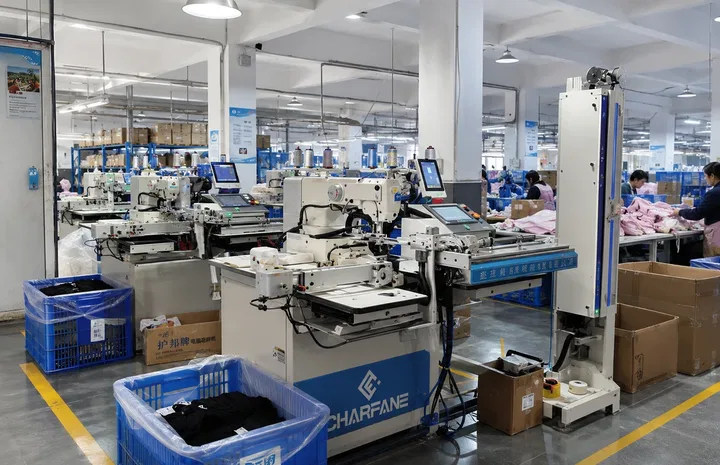
Clarify capability, responsibilities, sampling scope, cost assumptions and order quantity before paying for development.

Separate development, yarn, trims, production and delivery costs to compare first-run quotations.
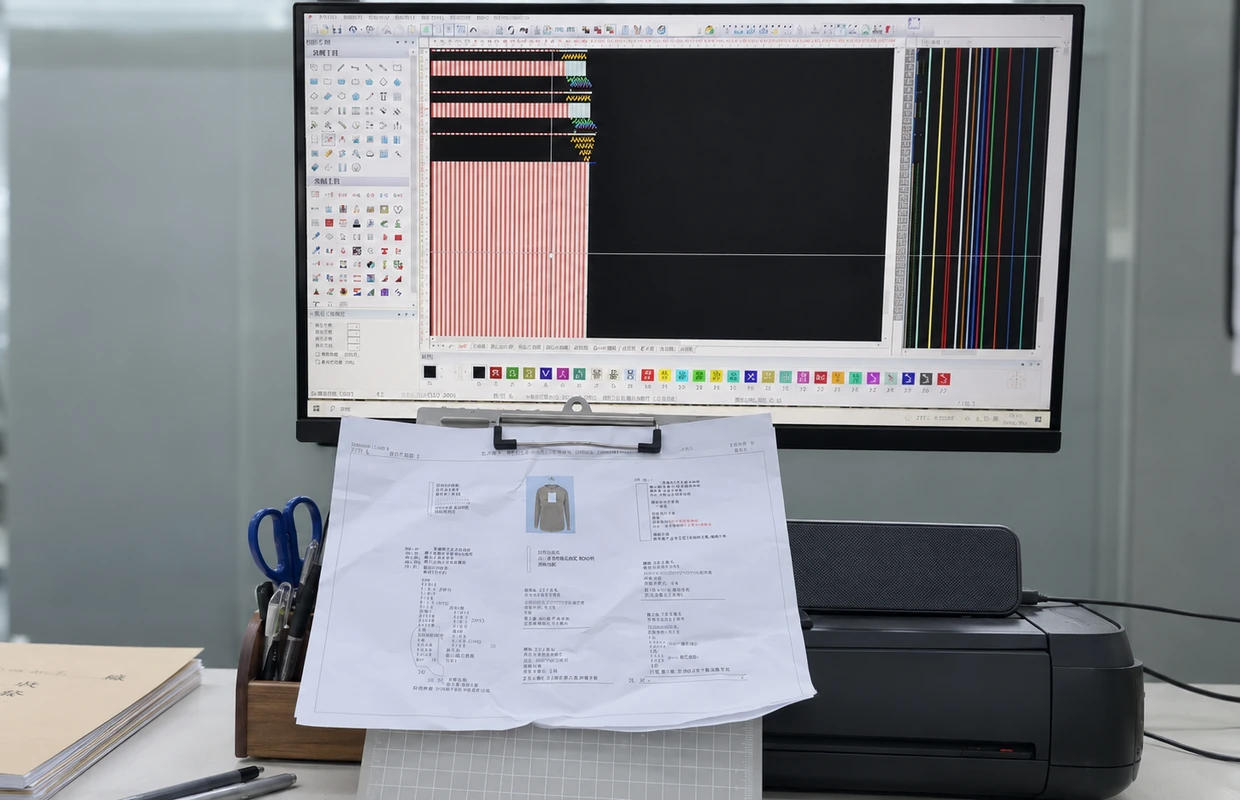
Use a practical checklist to prepare your first sample request and review the development partner's reply.
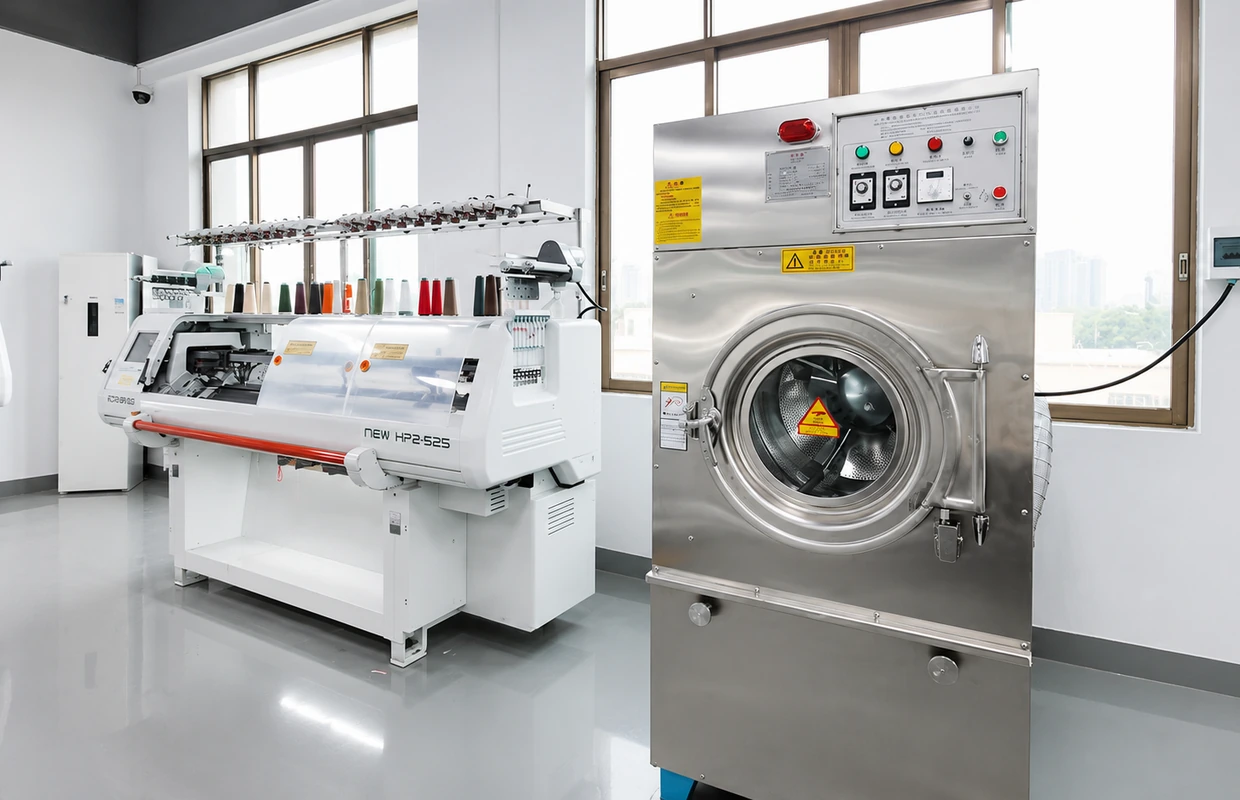
Plan a realistic first collection, including the standard 60-piece minimum and feasibility reviews for selected smaller runs.
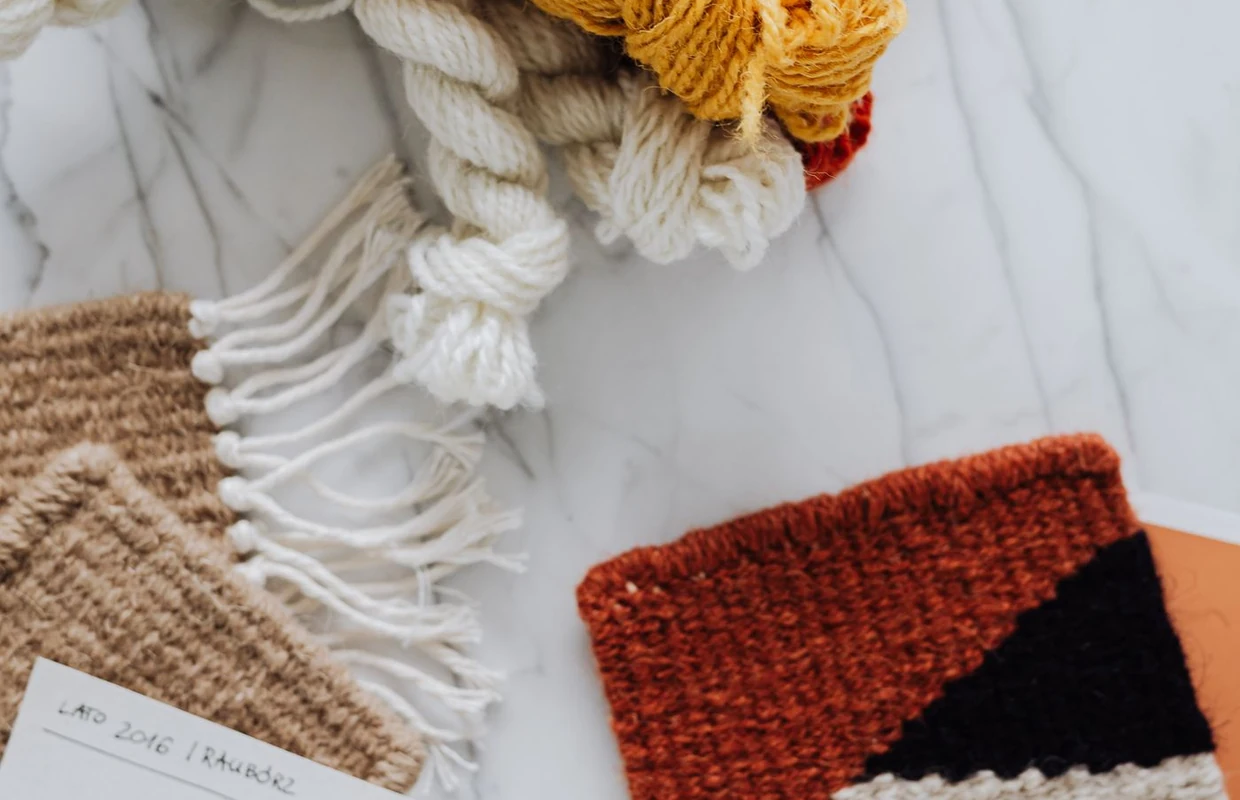
Review what the initial swatch stage covers, from yarn and structure choices to colour cards and delivery.
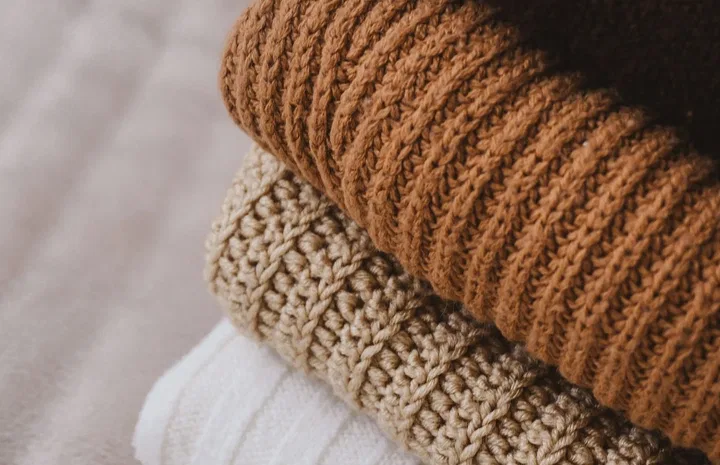
Allocate quantities across colours and sizes, and check how trim minimums affect your order.
Compare working arrangements, communication and production responsibilities to choose the right partner for your project.
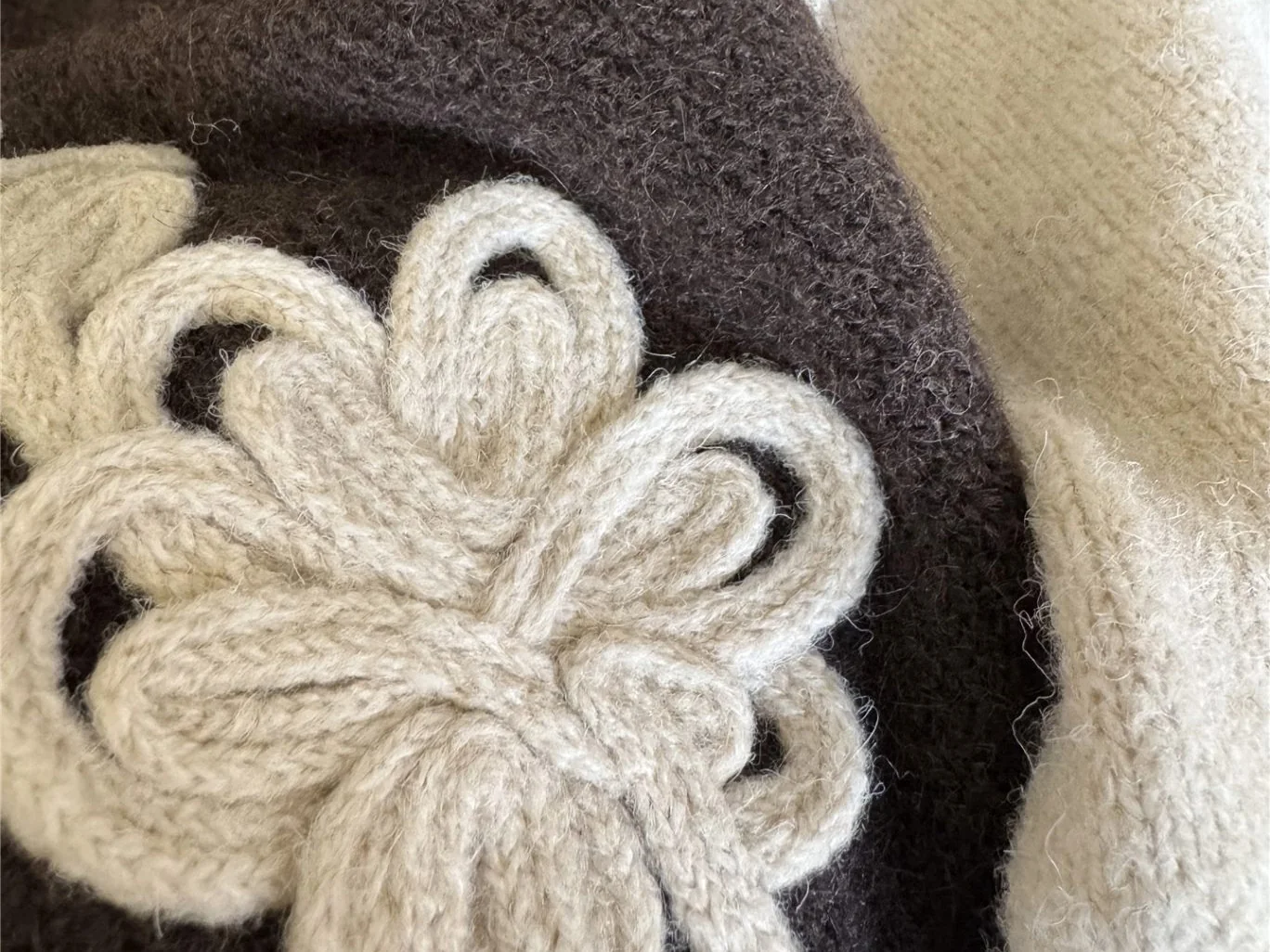
Coiled cord, stacked layers and loop pile, and why the stitch edging decides whether the appliqué survives washing.
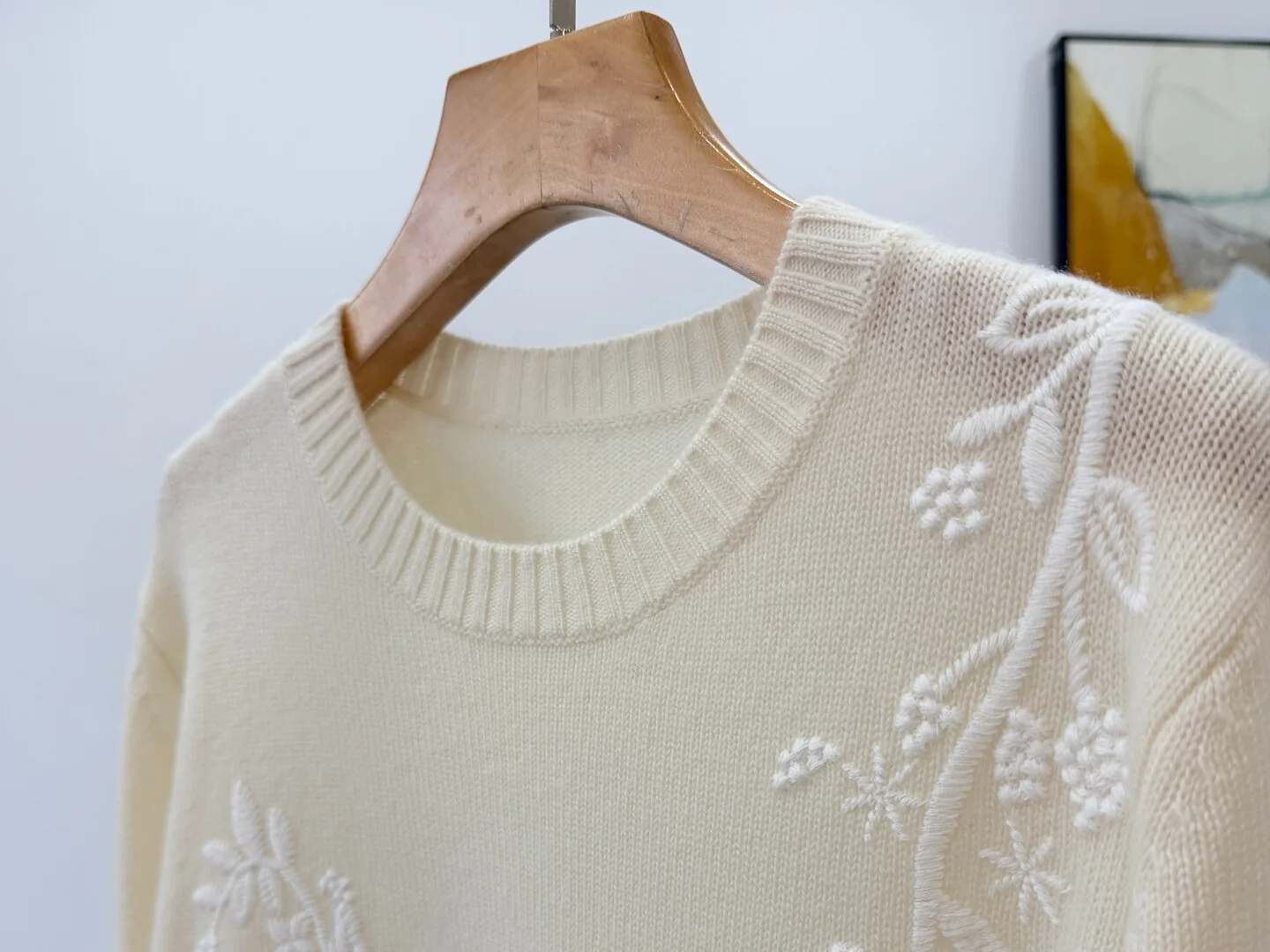
Same-colour thread has nothing to hide behind. Satin stitch, French knots and cord, and the four ways knitwear embroidery fails.
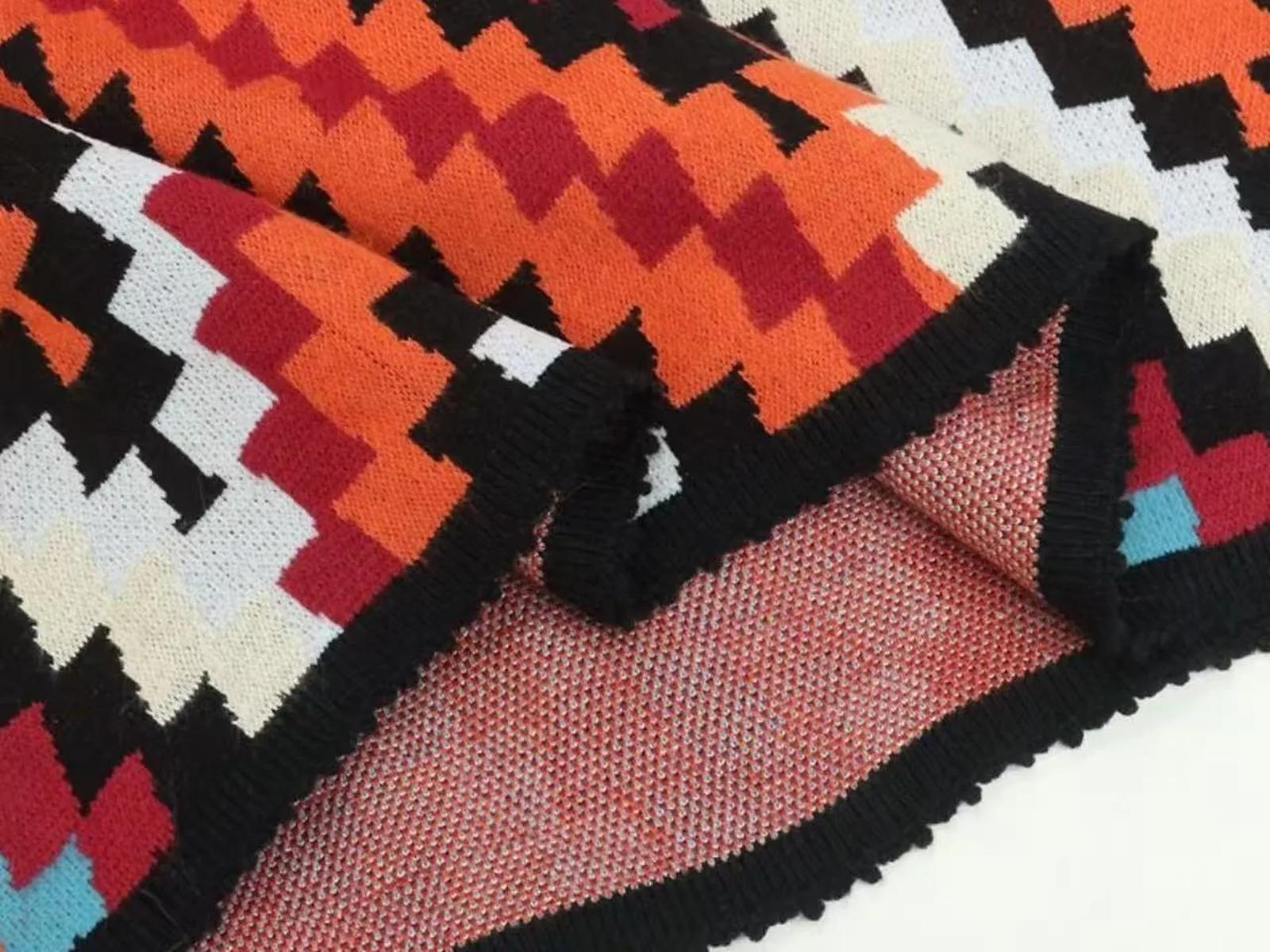
The two look identical in a photo. The reverse side and the shape of every colour boundary tell you which one you have.
Continue with supplier evaluation, budget planning and repeat-order decisions.
Plan a sweater reorder with seven checks covering the reference garment, yarn and shade, fit, finishing, quantities, quotation, packing and inspection.
Compare five China knitwear supplier website profiles, including our own business, and see what to verify before requesting samples or a production quote.