
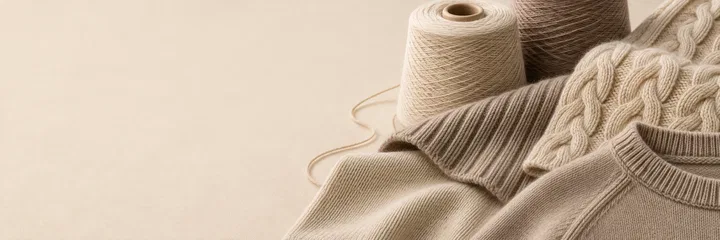
Plant fibres
Start with cotton and linen. Review the fibre preparation, yarn construction and proposed swatch.
A practical starting point for knitwear buyers. Learn the material families, understand the specification and turn a yarn reference into a clearer development brief.
They describe different parts of a sweater. Keep them separate when explaining what you want.
From yarn cones and swatch checks to garment assembly and finishing, these views show different parts of knitwear development.
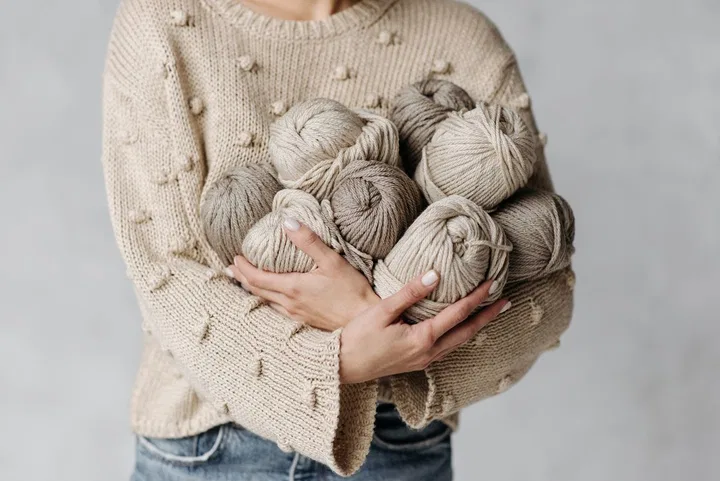
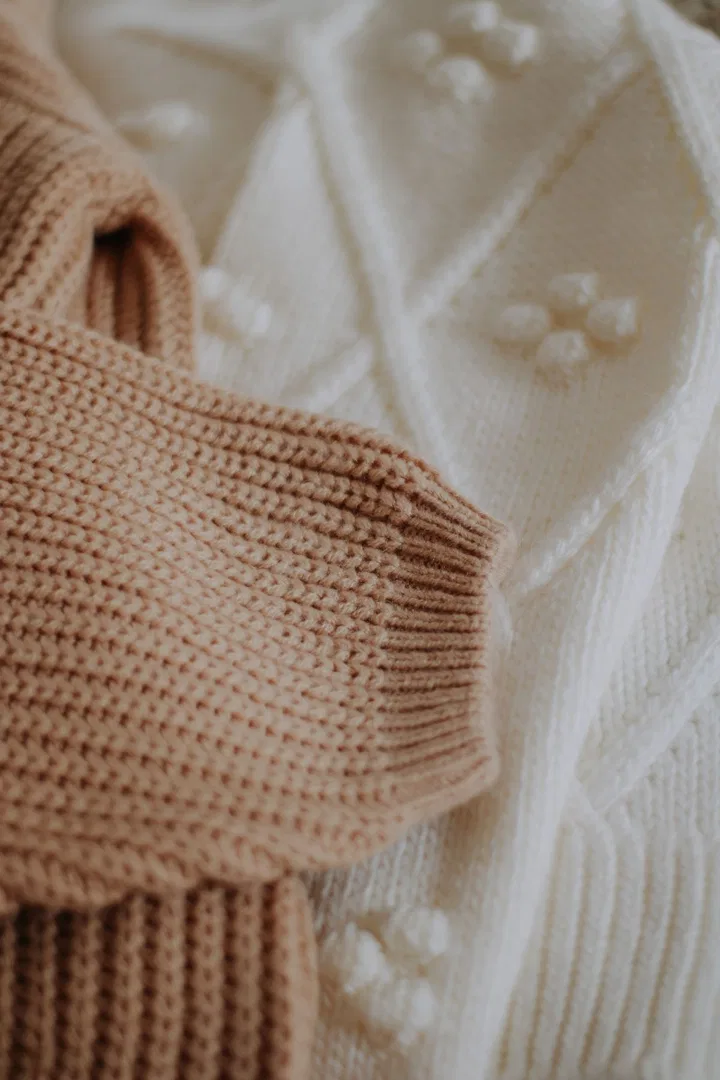
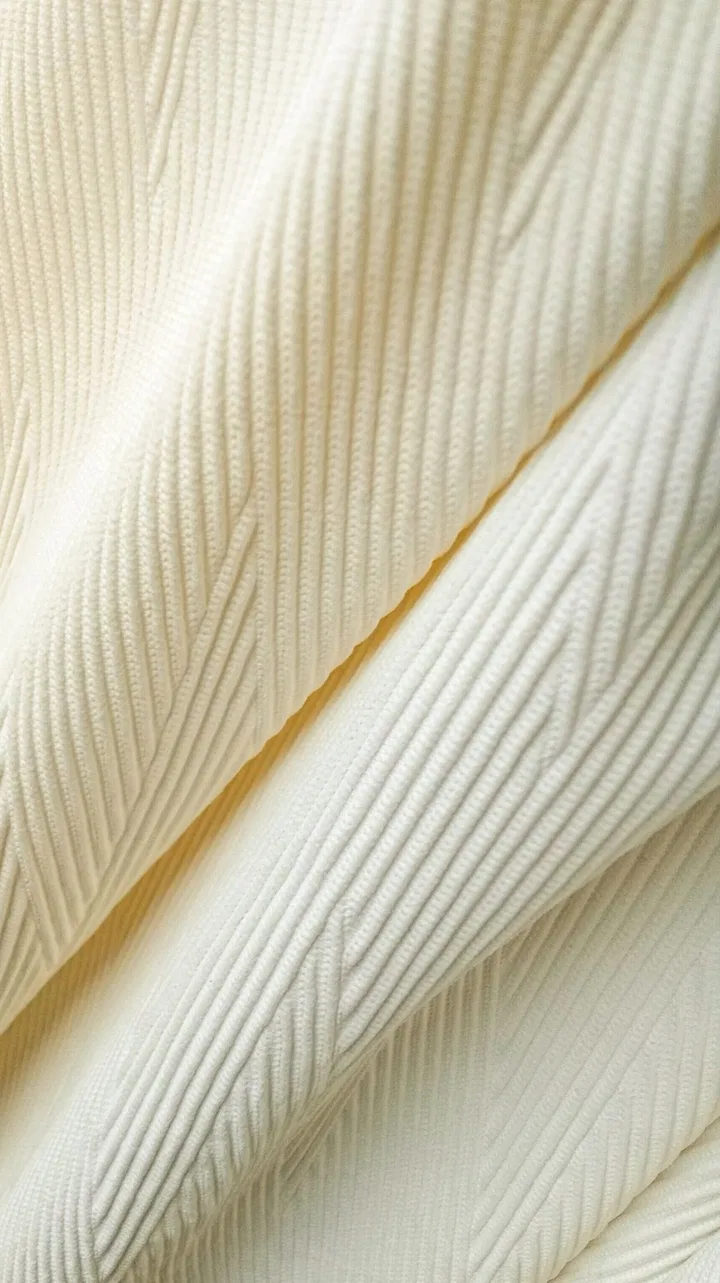
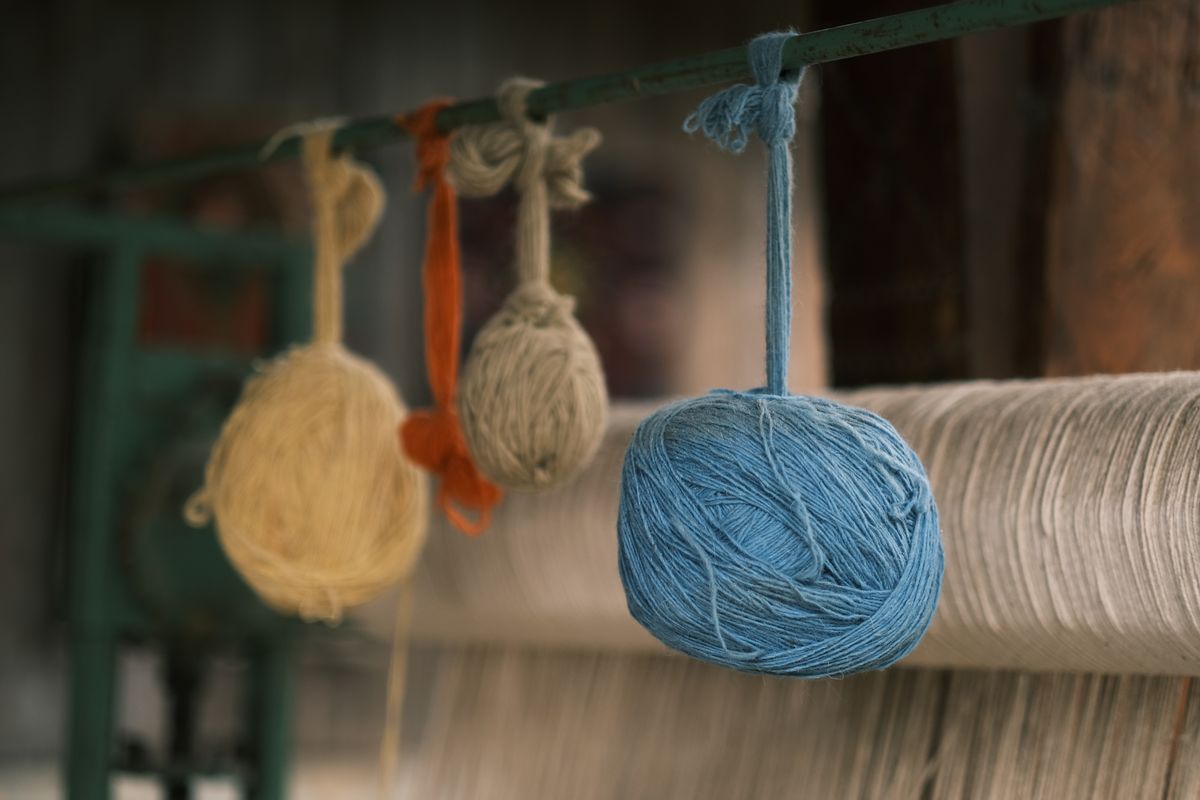
Editorial stock photographs for visual reference. They are not DALANG factory or product photographs, and do not specify an order.
Start with a family, then read the individual yarn guide. A fibre name alone does not describe the finished knit.
Start with cotton and linen. Review the fibre preparation, yarn construction and proposed swatch.
Explore wool, cashmere and related materials. Ask which fibre and blend composition is actually being proposed.
Viscose, modal and lyocell have their own entries. Compare the proposed yarn and fabric rather than treating the names as interchangeable.
Explore acrylic, polyester and nylon. Relate the yarn specification to the garment's use and agreed assessment.
A blend combines fibres. Read the complete percentages, then check how the yarn works in the intended knit.
Bouclé, chenille and slub describe yarn effects or constructions. They still need a separate fibre composition.
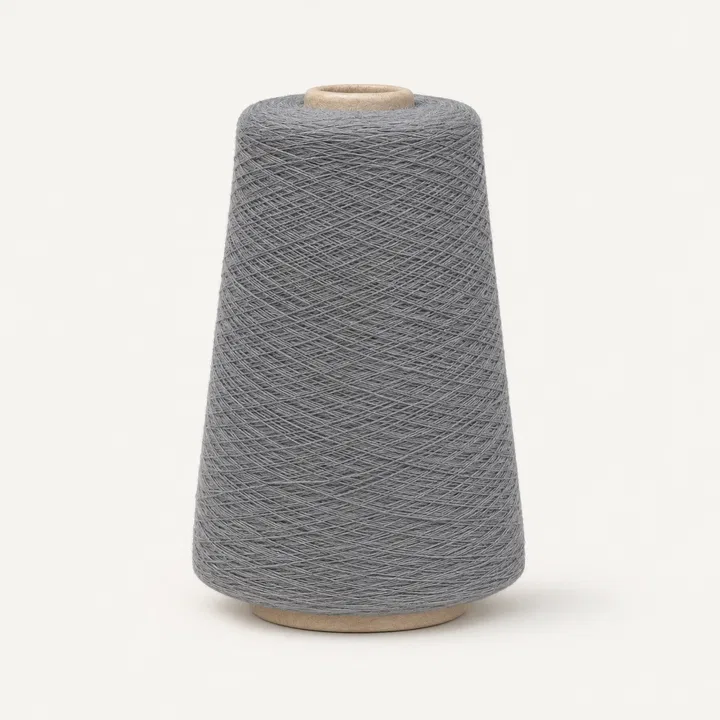
Use the Cotton Yarn guide to connect the material name with the questions a buyer needs to ask.
Once you have a material direction, use these guides to read the proposal and ask more useful questions.
Read the count unit and ply information, then understand why machine gauge is a separate part of the knitting discussion.
Separate how the yarn is constructed from what it is made of and from the stitch used in the fabric.
Explore common yarn comparisons before shortlisting options for a physical swatch review.
Ask which specifications, processing and quotation conditions explain the difference between two proposals.
A photo can communicate an appearance direction. Ask for the composition, count and a physical swatch before approving the material for a garment.
No. The proposed yarn, knit structure, density and finishing also belong in the discussion. The Cotton Yarn guide shows how to turn the name into a more useful material brief.
The Yarn & Materials Knowledge Center connects the complete yarn library with fibre, construction, count, comparison and selection guides. You can also browse the yarn FAQ.
Further reading: National Cotton Council — fabric construction · Coats — numbering systems