Yarn
Controls softness, drape, elasticity, loft, warmth, cost and season.
Techniques & Materials
Buyers may not know gauge, stitch structure or finishing, but they understand images. We connect finished samples, detail photos and development notes so your design team can see which technique fits each product direction.
Development Logic
The same reference image can become different garments when yarn, gauge, stitch or finishing changes. Before sampling, we review effect, cost, MOQ and production risk.
Controls softness, drape, elasticity, loft, warmth, cost and season.
Controls thickness, density, garment weight, texture clarity and product type.
Controls surface pattern, stretch structure, openwork, texture and motif definition.
Controls size stability, surface appearance, hand feel and bulk consistency.
Core Techniques
Each technique is explained by product fit, design effect, production challenge, factory handling and when buyers should choose it.
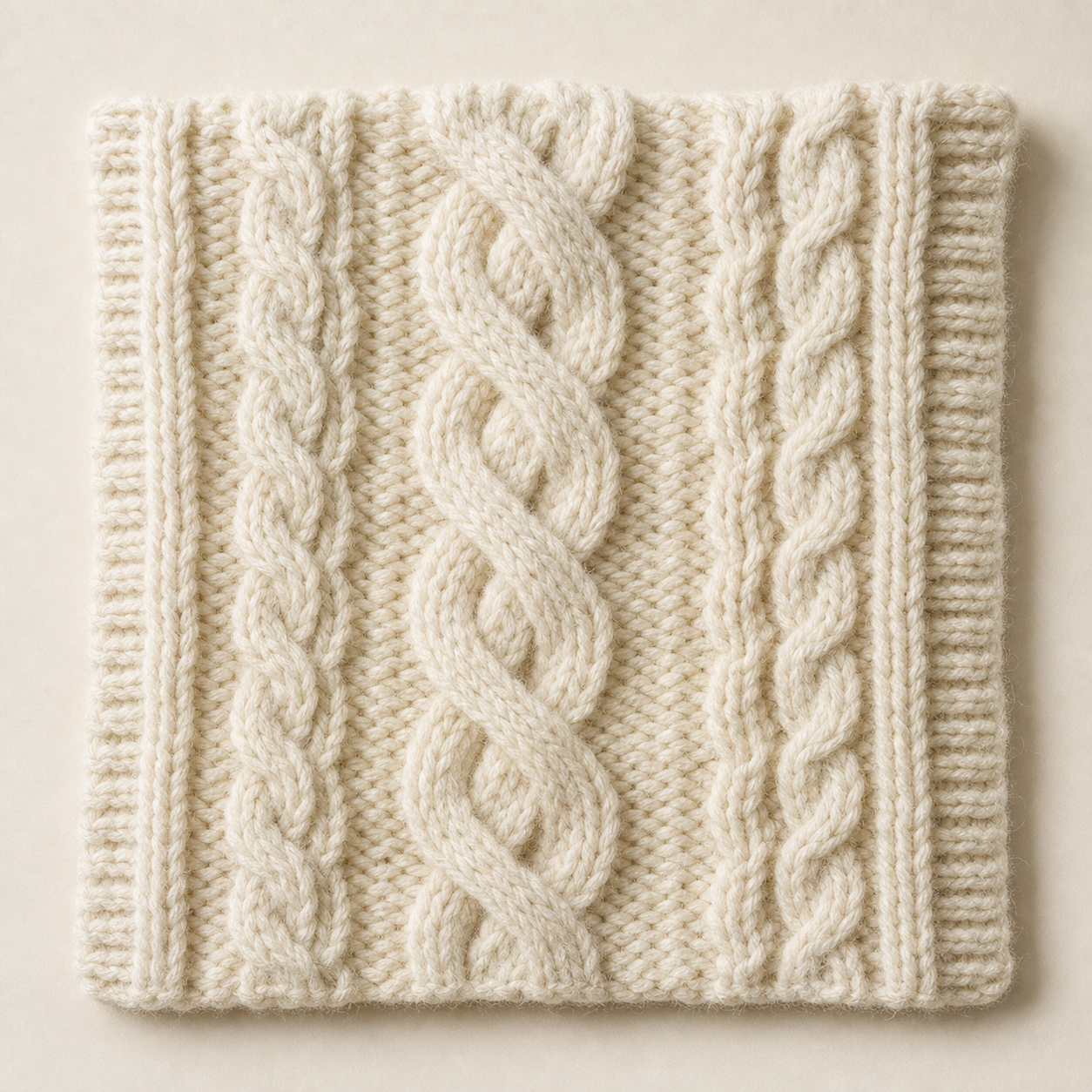
Cable knit uses transferred stitches to create raised rope-like texture. The key is not only thickness, but clear cables, balanced weight, stretch and garment fit.
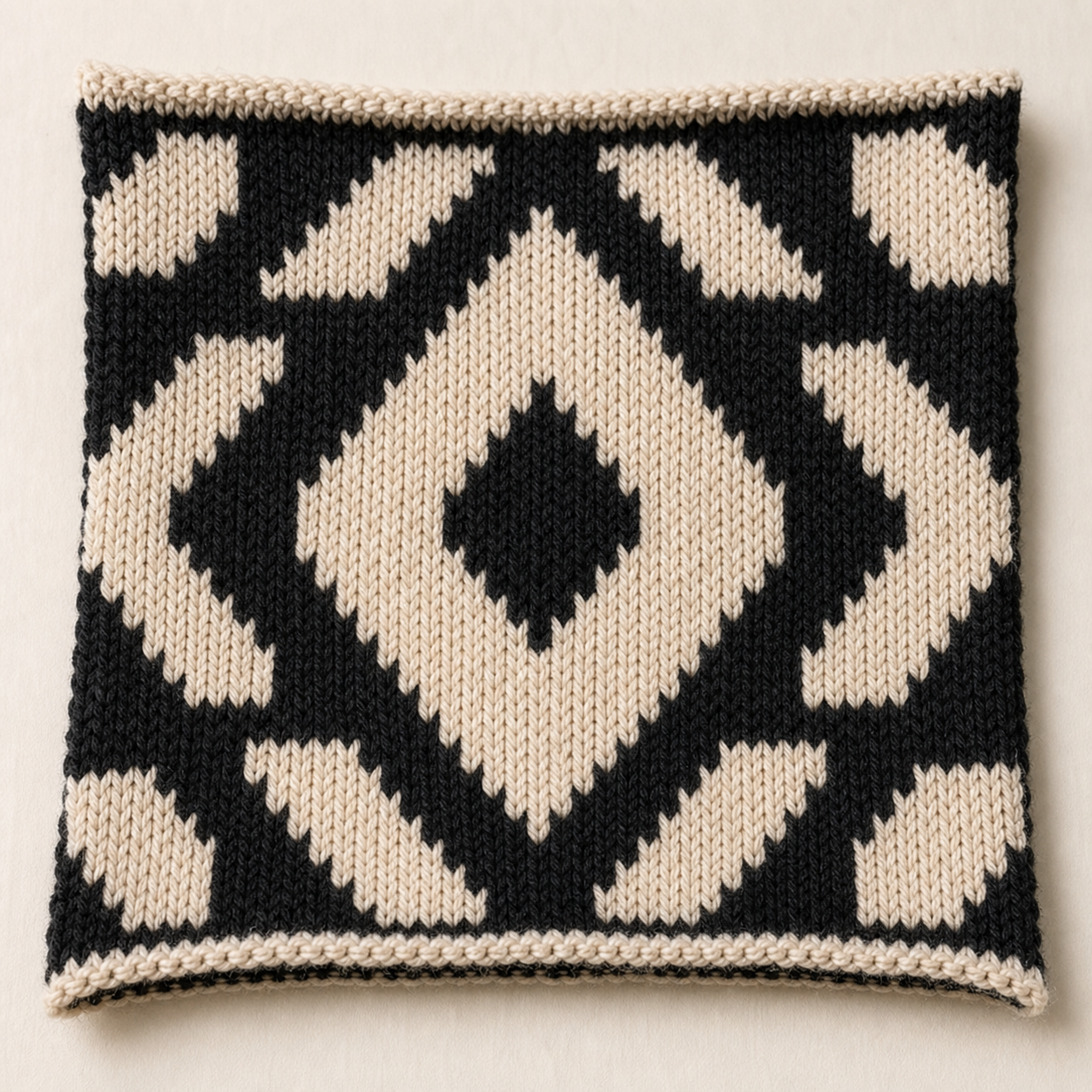
Jacquard forms the pattern with different yarn colors during knitting. It is not printed fabric, so artwork needs to be converted into a knit-friendly structure.
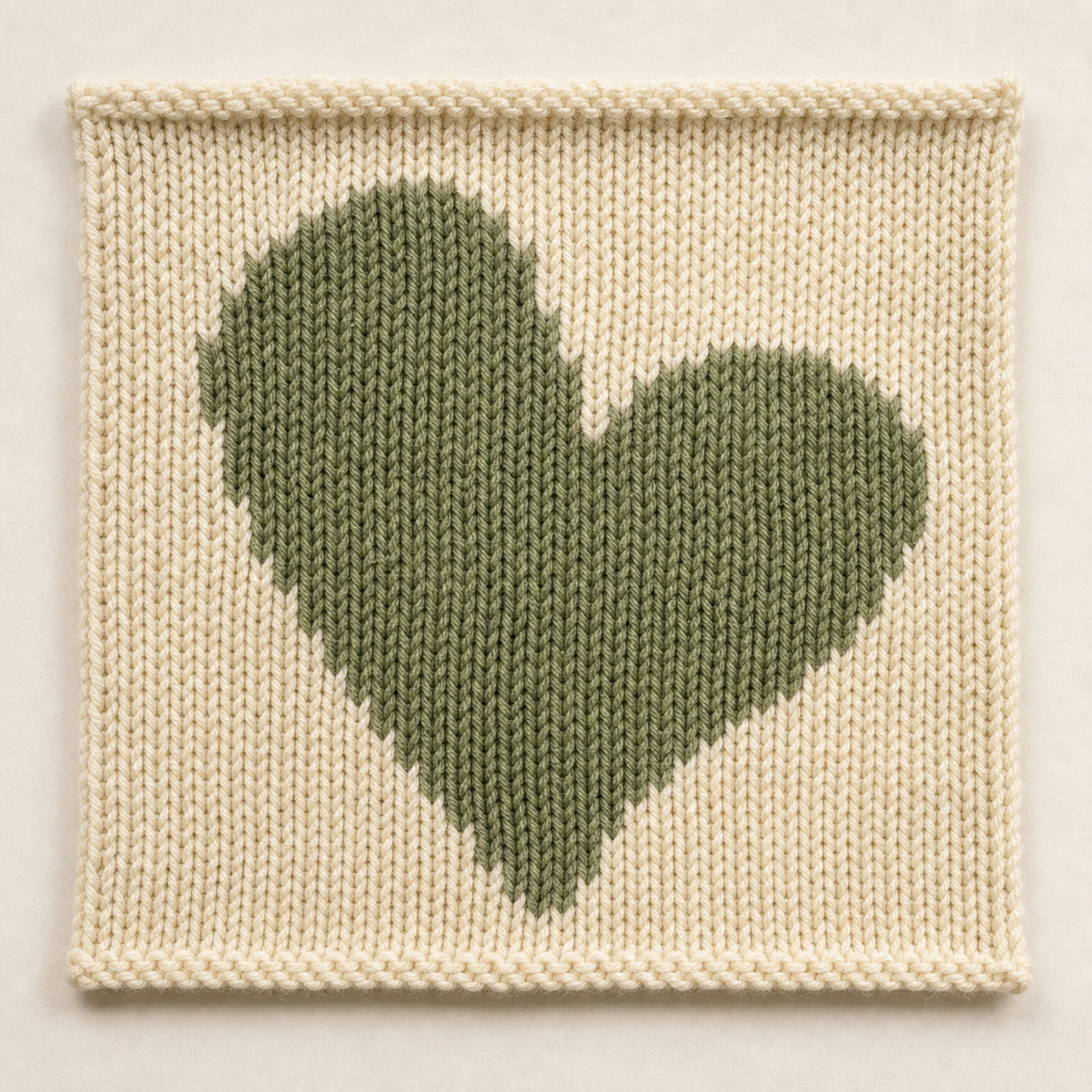
Intarsia is better for large motifs with clean edges. Color blocks look inserted into the panel rather than carried across the whole back.
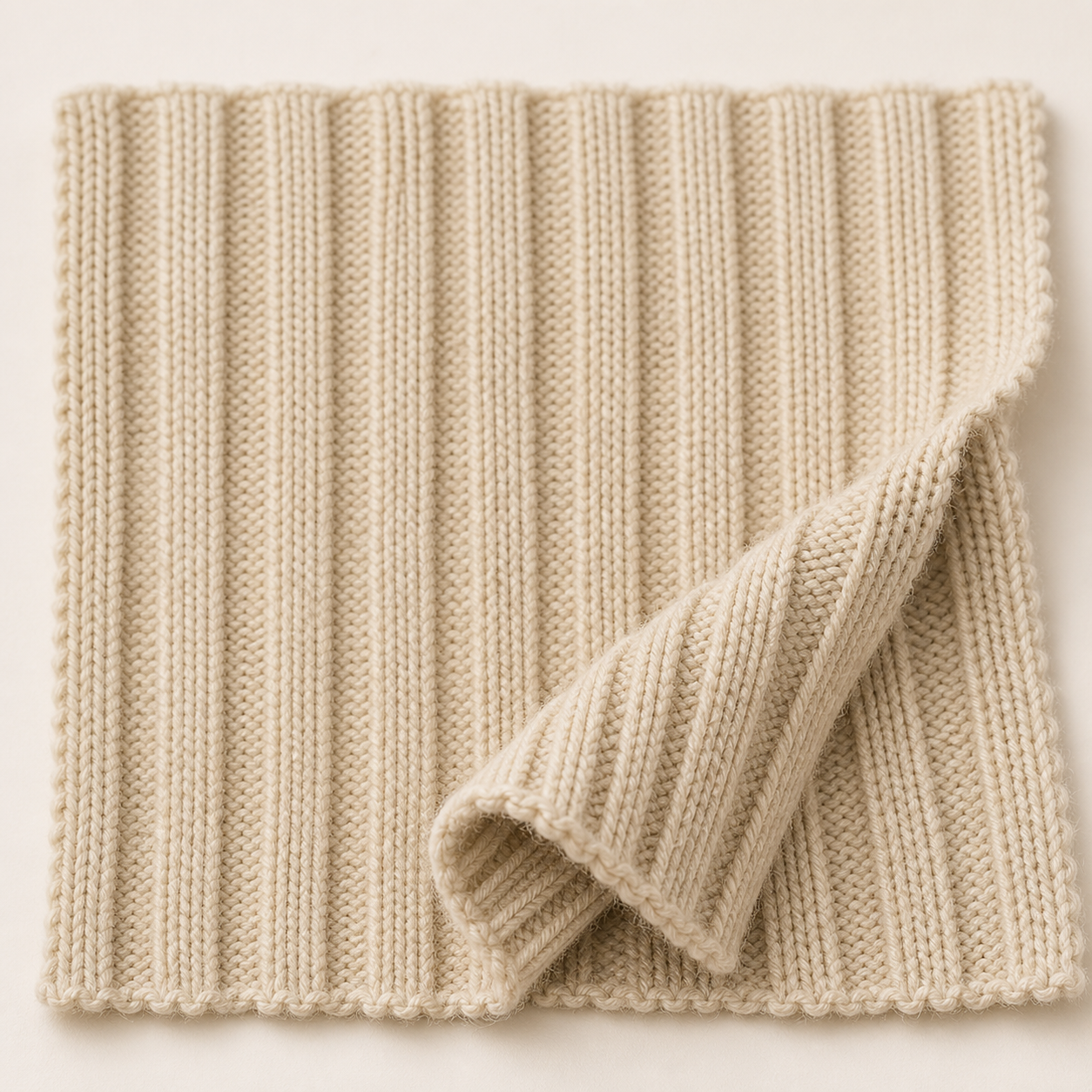
Rib knit uses alternating knit and purl columns to create vertical stretch. It works for fitted silhouettes and also for cuffs, hems and necklines.
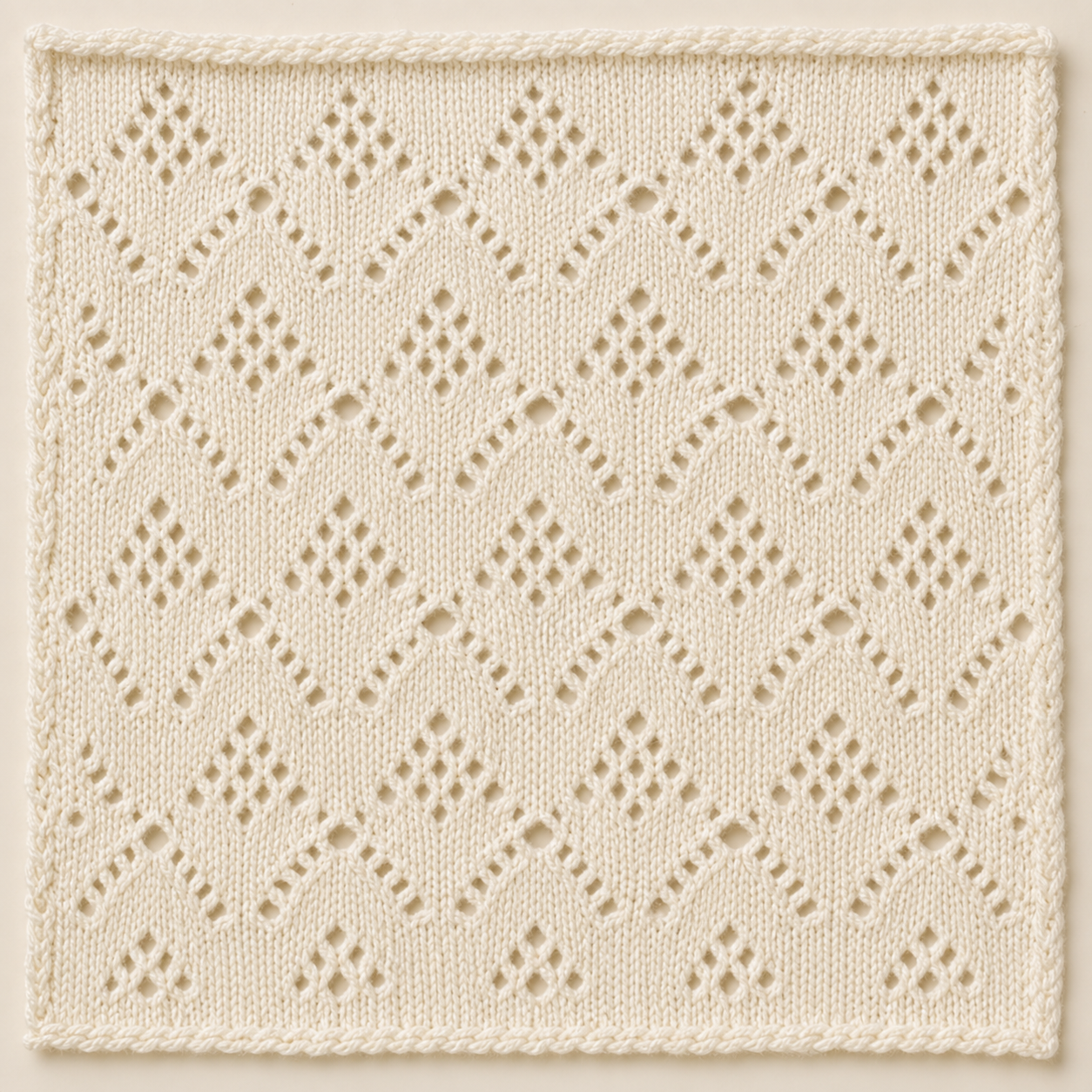
Openwork creates regular eyelets through stitch structure. The key is balancing airiness, panel stability and wearing coverage.
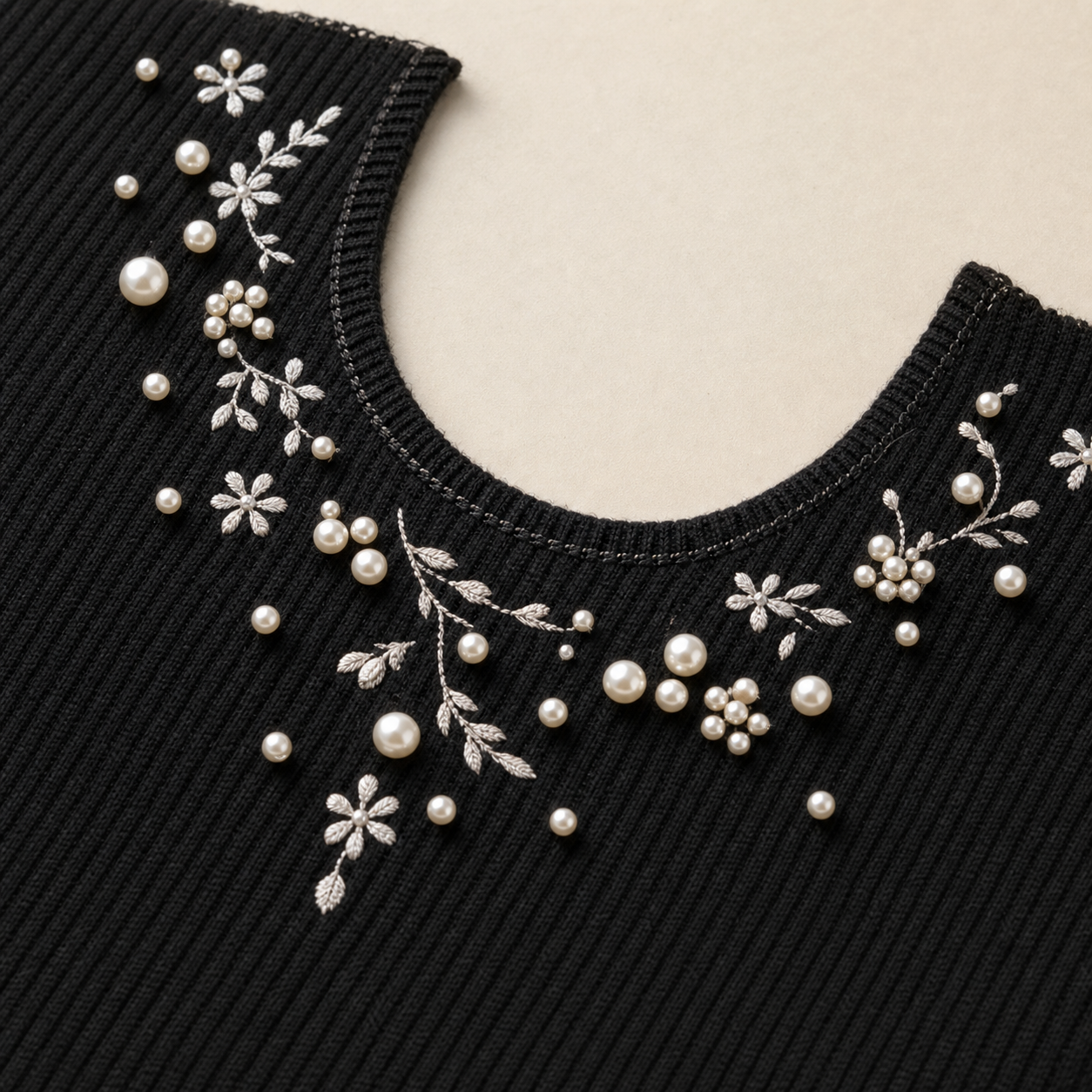
Embroidery, beading and sequins add value, but knit fabric stretches, so backing, stitch density, decoration weight and deformation risk must be controlled.
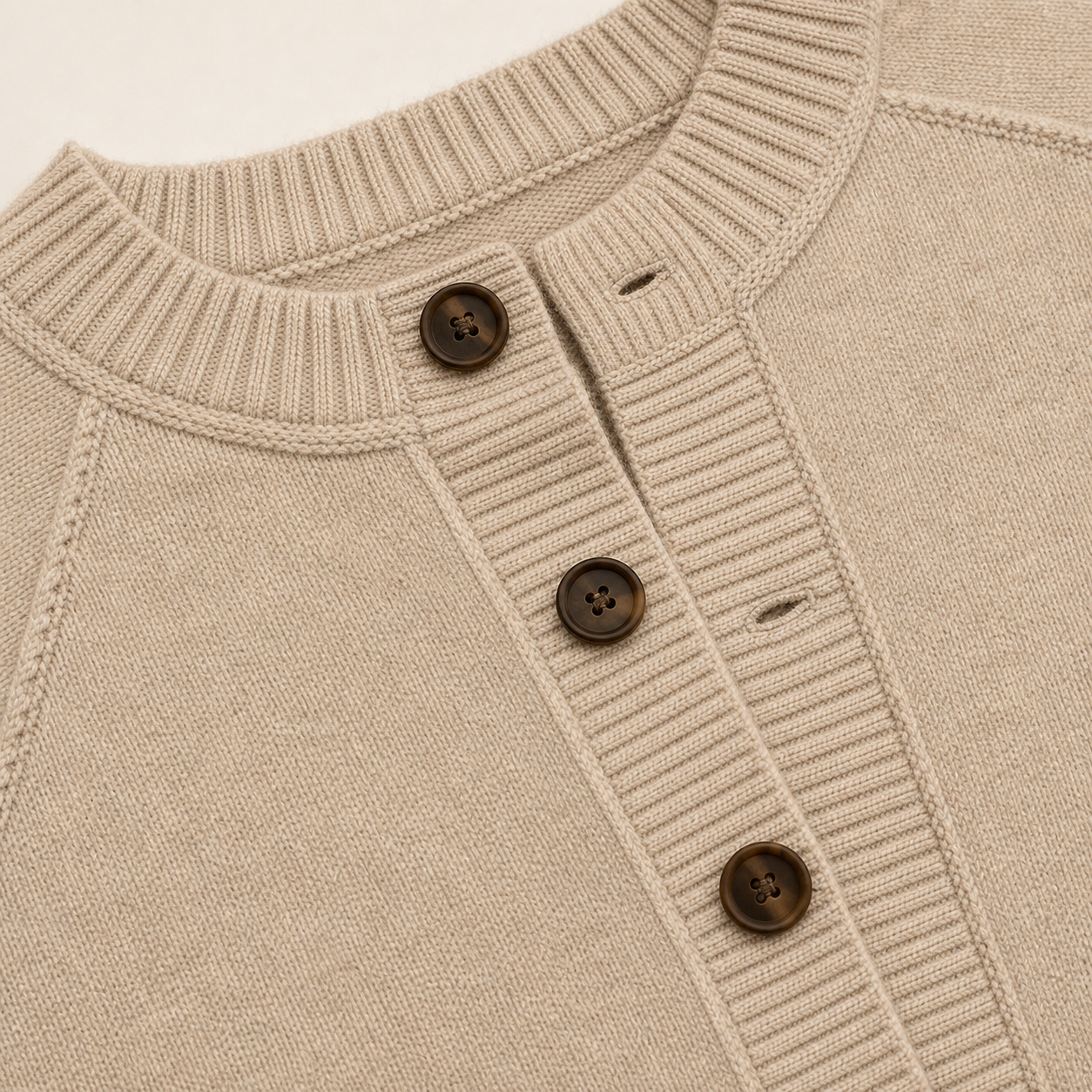
A cardigan is not simply adding buttons. Placket tension, buttonhole structure, collar height, button spacing and hem stability shape the final garment grade.
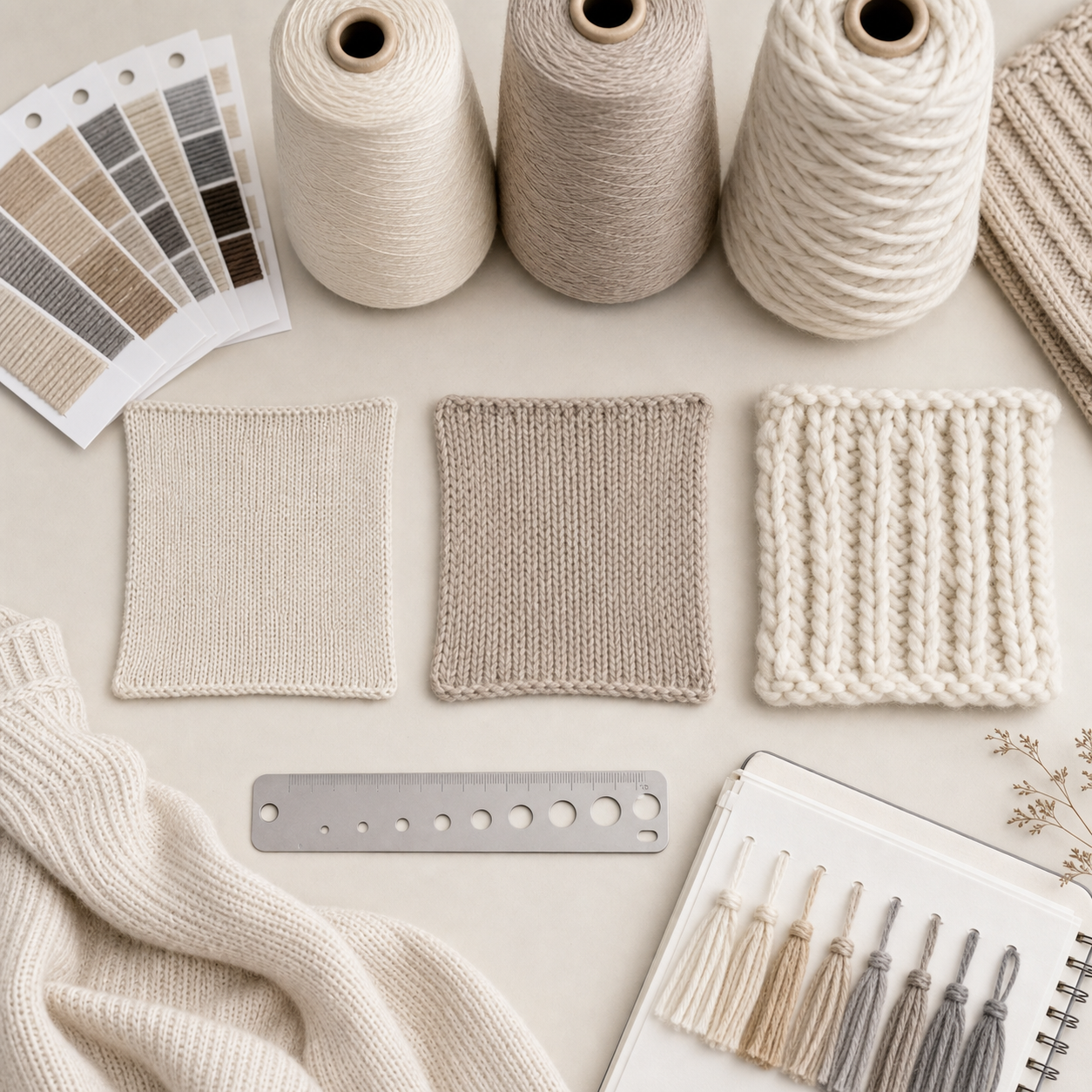
The same visual idea can be made with different yarns, gauges and finishing methods. Cost, handfeel, weight, drape and season can change completely.
Yarn & Materials
Different yarn blends create different sweater performance. We suggest yarn direction based on target price, season, hand feel, drape, elasticity and garment structure.
Soft, smooth and drapey. Suitable for women's knit tops, fitted styles and knitted dresses.
Adds strength, abrasion resistance and stability, often used in blended sweater yarns.
Supports elasticity and recovery, useful for core-spun yarn, rib tops and body-skimming structures.
Skin-friendly, breathable and dry-touch. Suitable for spring/summer knitwear and resort styling.
Warm, soft and premium. Suitable for fall/winter sweaters, cardigans and boutique collections.
Creates long-hair, sparkle, slub, brushed or special surface effects for seasonal fashion styles.
Common development may involve yarn counts such as 2/50NM, 2/68NM, 2/56NM and 2/40NM. Yarn count should match target hand feel, garment weight, season and stitch structure.
Quality Control
Yarn composition, yarn count and knitting tension affect shrinkage, stretch and garment measurement.
Washing or steaming changes surface appearance and size stability, so it must follow specification.
Key points include body length, chest width, shoulder width, sleeve length, hem, placket and neckline.
Batch consistency is especially important for rib, cable, heavy gauge and stretch structures.
Not sure which technique fits?
We will suggest the suitable yarn, gauge, technique, MOQ, and sample direction.