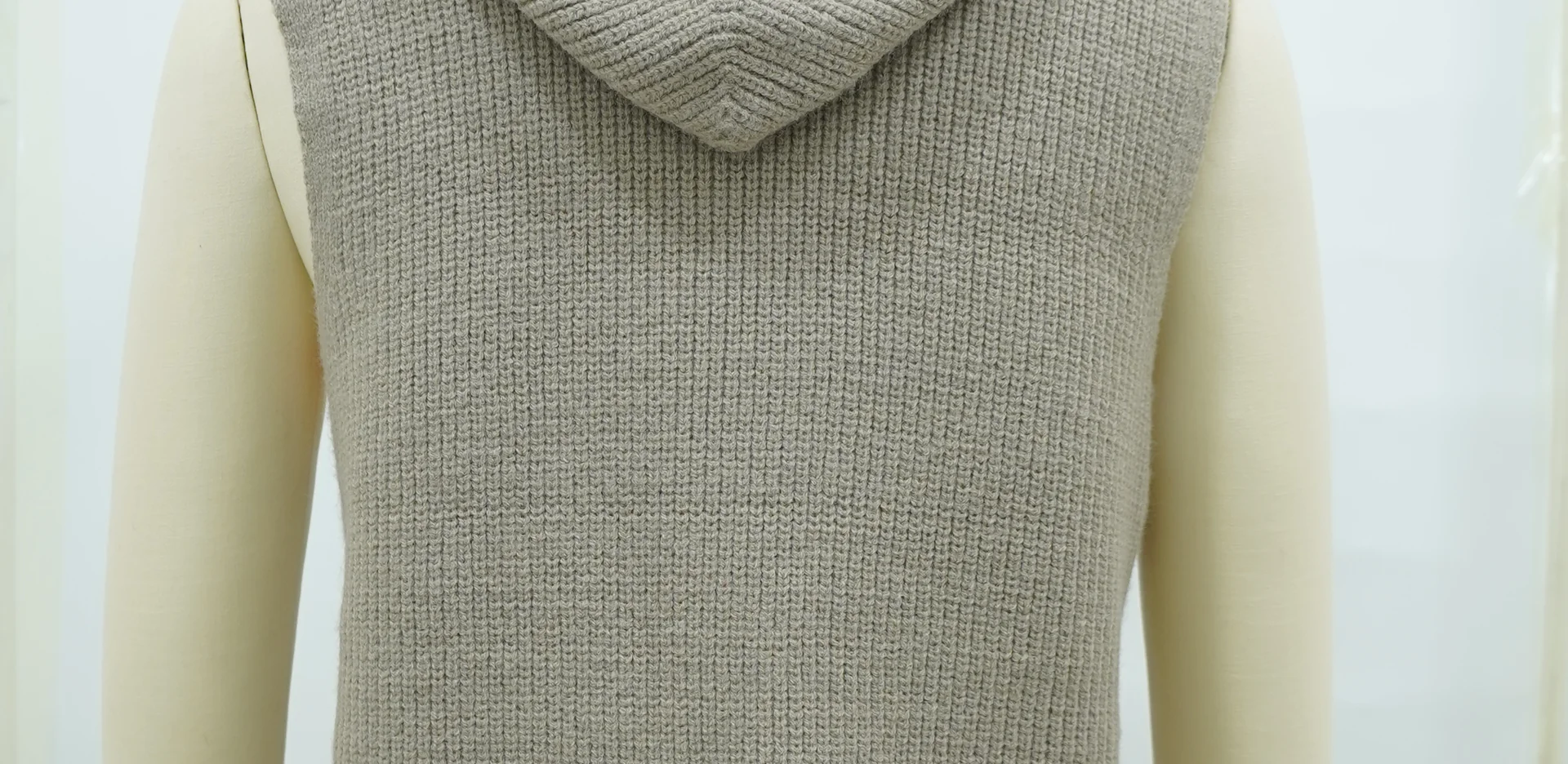
Why small orders are difficult
A small order is not a large order divided by ten. Before the first piece can be knitted, the design still has to be reviewed for feasibility, the yarn has to be sourced or confirmed, the knit structure has to be developed, measurements set, samples made and corrected, and trims, labels and packing coordinated. Most of that preparation is identical whether the first run is 50 pieces or 5,000.
Factories built around large programmes are optimised for the opposite situation: long runs of the same thing. Their line, their costing and their schedule all assume volume, which is why a first small drop often gets a reluctant answer. What a new brand needs is not a discounted version of bulk production, but a development process sized to the decision being made—small, reviewable steps before time and money are committed to bulk.
Why small brands get stuck
A reference image rarely tells a factory the yarn count, gauge, stitch density, finishing method, target retail price or fit tolerance. If those decisions are skipped, the first garment becomes an expensive guess. The better route is to make the uncertain decisions visible early, in small and reviewable steps.
A clearer way to make decisions
Most stalled projects try to settle everything at once — yarn, colour, structure, fit and price in a single sample round. Splitting the decisions makes each one answerable:
- Knit swatches answer the material question: how the fabric feels, how heavy it is, how much it stretches, and whether it still works at the intended price level.
- Colour cards answer the direction question: comparing real dye lots side by side is faster and more reliable than describing a colour in words.
- A garment sample answers fit, proportion and workmanship: neckline, shoulder, sleeve length, hem balance and how cleanly it is finished.
- Production starts only after those three are approved, so the first run repeats something already agreed rather than discovering problems on the line.
Each stage removes one group of risks and gives you a natural point to adjust, pause or continue.
Our development route
- Read the design intention. Share a reference image, sketch or idea. We look at silhouette, likely structure, thickness, stretch, transparency and the details that may need a technical compromise.
- Match yarn to product and price position. We propose suitable fibre directions, colour options and practical alternatives according to the intended handfeel, season, target price and quantity.
- Make knit and colour swatches first. Before committing to a garment sample, we prepare small knitted structures so you can judge texture, density, stretch, thickness and colour in the real material.
- Develop the full sample. Once yarn, colour, knit structure and handfeel are approved, we confirm measurements and build the garment sample.
- Approve, then make a small first run. After sample approval, we plan labels, packing, sizes, colours and the production quantity that suits the design.
Why swatches come before the garment
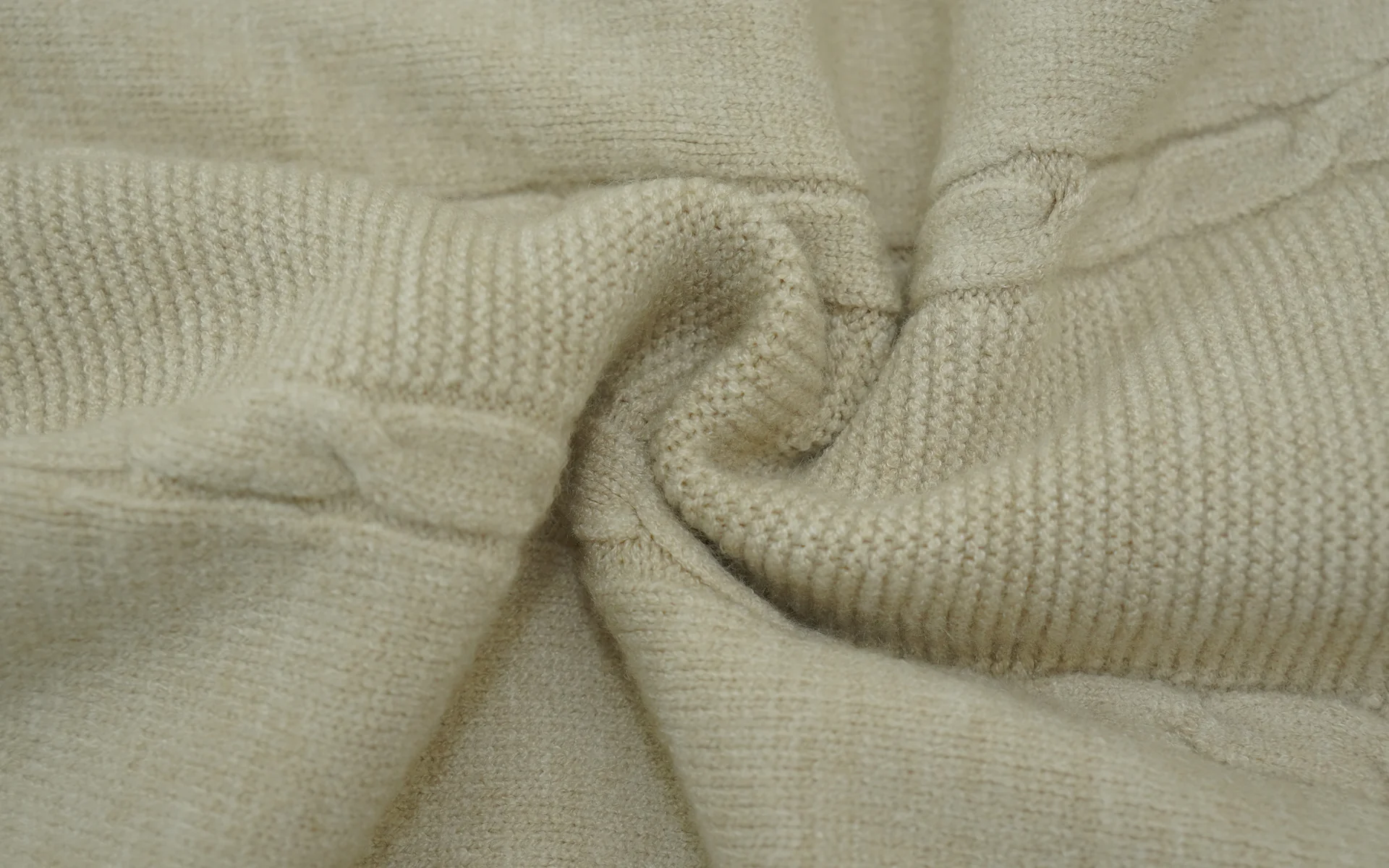
The customer can see a knitted surface in a photo, but cannot feel its density or stretch. A physical swatch lets both sides discuss the actual product: is it light enough, soft enough, open enough, stable enough and close to the intended price level? This is often the clearest point to adjust yarn or construction before garment development begins.
Anonymous progress examples
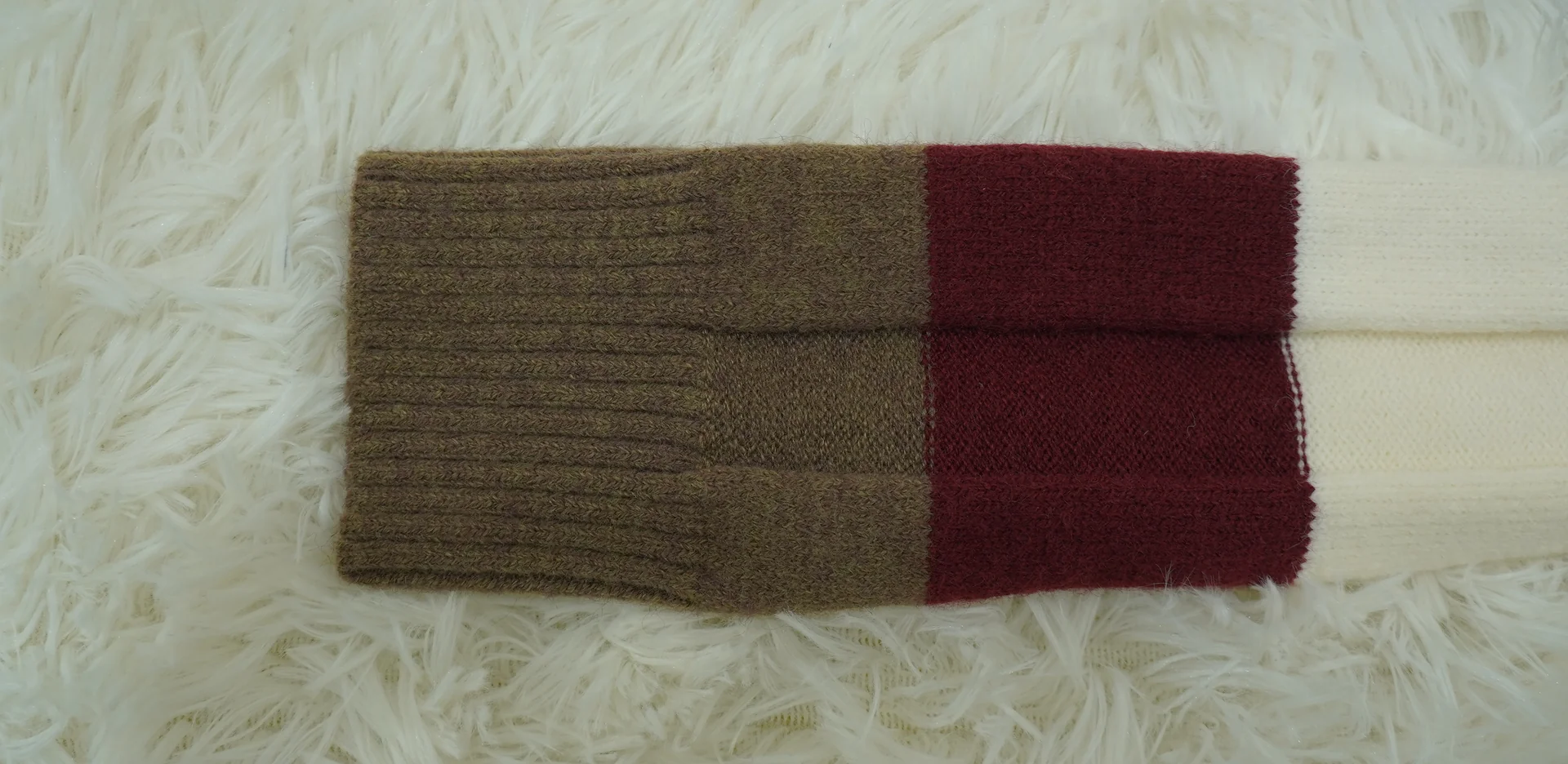
Started from two reference photos and no Tech Pack. Two rounds of knit and colour swatches were used to settle the yarn direction; now building the first garment sample.
A one-size style in a stock yarn. Garment sample signed off after one correction round; a 50-piece single-colour first run is being prepared.
Developed from a mood board and a target retail price. Development completed, the first run delivered, and the style went on sale with the brand’s launch; a second colourway is planned as a reorder.
These are deliberately anonymous: the point is the development path, not a client’s private product or commercial information.
What to send first
Send one or more reference images, your target customer or retail position, desired fibre direction if known, expected quantity, colours and sizes. A complete Tech Pack helps, but it is not required to begin a structured development conversation.
FAQ
Start-up development questions
Can I start a knitwear project without a full Tech Pack?
Yes. A complete Tech Pack makes specification easier, but it is not required to begin. A clear reference image, an intended customer, a target price position and an expected quantity are enough for us to open a structured development conversation.
Why develop a knit swatch before the garment sample?
A reference image cannot communicate density, stretch or handfeel. Developing a small knitted swatch first lets both sides judge the real material and adjust yarn or construction before the time and cost of a full garment sample are committed.
What is the smallest first production run you can support?
It depends on the design and on the colour and size plan. A single-size, single-colour style is the most practical way to start small; adding colours or splitting sizes raises the practical minimum. Send your proposed breakdown and we will confirm what is workable for that product.
Related: what the swatch-development stage includes and how small-batch MOQ changes with colours and sizes.