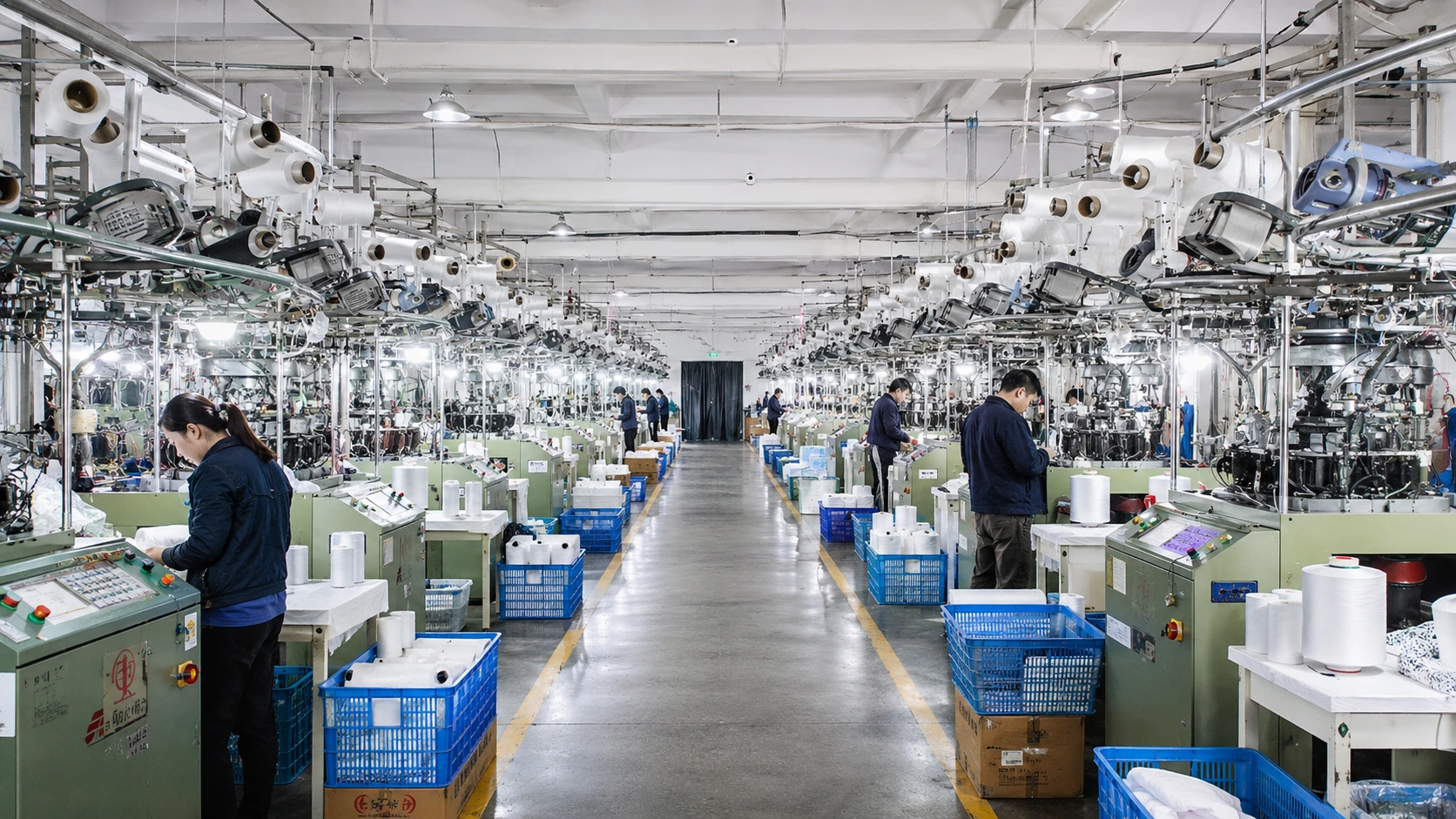
Buyers often ask for a delivery date early, which is the right instinct. The best answer is not a generic promise. It is a project plan that shows what must happen first: material direction, technical feasibility, sampling, fit comments, final approval, bulk booking, production checks and packing confirmation.
Work backwards from the date that matters
01 · SHIPMENT OR LAUNCH
Set the real commercial deadline
Is the key date a shipment cutoff, campaign shoot, showroom appointment or retail launch? State it clearly. Different destinations and delivery routes can require different time after factory packing is complete.
02 · BULK RELEASE
Confirm what production is allowed to follow
Before bulk is released, confirm the approved sample or reference, material direction, colour and size breakdown, measurements, labels, packing and any agreed quality requirements. An unresolved point can delay the rest of the sequence.
03 · MATERIAL AND CAPACITY
Allow time for what the garment needs
Availability, custom colour route, yarn confirmation, construction complexity and production scheduling shape the feasible route. These conditions vary by project, so a timeline should be reviewed once the product brief is real.
04 · SAMPLE REVIEW
Keep time for decisions, not only sample making
A sample cycle includes review, written comments, a response from the factory and sometimes a revised sample. The buyer’s decision time is part of the timeline. See the first sample review guide for a better review record.
05 · INITIAL FEASIBILITY
Start with the clearest available brief
Share the reference, product purpose, material direction, quantity, colour and size mix, and target date early. If information is still open, identify it so the factory can describe the decision risk rather than present an uncertain estimate as a confirmed schedule.
Keep a practical project calendar
For each milestone, note the required input, owner, decision date and output. Examples include material selection, first sample dispatch, buyer comments, revised sample approval, bulk release, label artwork approval and packing confirmation. This creates a shared record that is much easier to manage than a single delivery date in an email thread.
If timing becomes tight, decide which element is flexible: colour count, material route, construction complexity, sample rounds, packing detail or launch plan. Do not quietly remove a requirement without recording the effect on the garment or delivery standard.
FAQ
Timeline questions
Can a factory confirm a delivery date before sampling?
It can often provide an initial planning direction, but the practical date should be reviewed as material, construction, approvals and quantity become confirmed.
What usually creates the largest delay?
Unresolved product decisions and slow approval loops commonly affect timing. Material availability and production capacity can also be important depending on the project.
Should packaging be discussed only at the end?
No. Labels, hangtags, folding, cartons and special packing requirements should be identified early because they are part of the delivered product.