

Yarn & Materials Knowledge Center
Understand yarn. Make better knitwear.
A material library for brands, designers and buyers developing knitwear in Dalang, China. What the fibre is, why two yarns with the same name cost different amounts, and which one fits your product, your price target and your volume.
Eight modules that answer the real buying questions.
Not a glossary. Each module exists because a buyer gets stuck there.
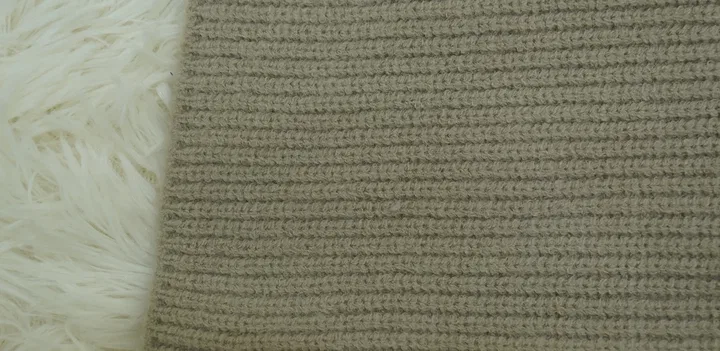
Yarn Library
Browse every yarn entry by fibre, budget position, construction and application. Each entry separates what is generally true of the material from what still needs supplier verification.
Open →02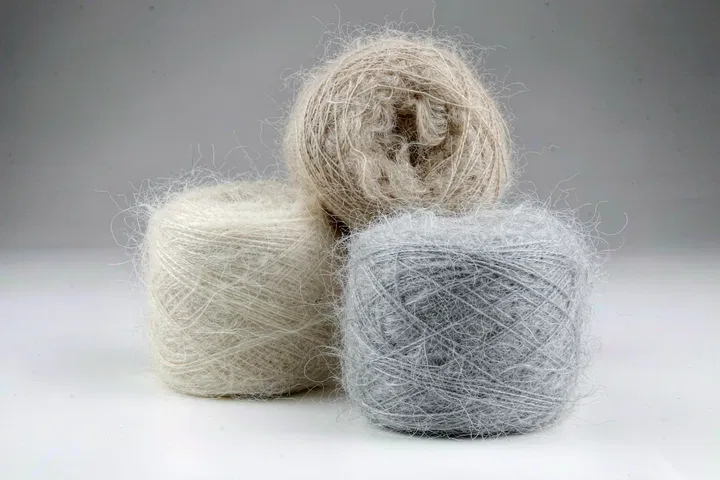
Fiber Guide
How natural, regenerated and synthetic fibres differ, and why two yarns with the same fibre name can behave very differently.
Open →03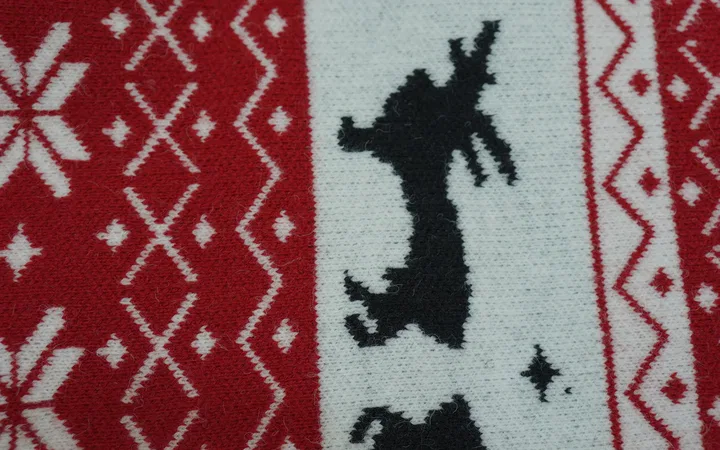
Yarn Construction
Ring-spun, worsted, woollen, plied, core-spun, covered and fancy constructions explained, and what each one changes in the finished fabric.
Open →04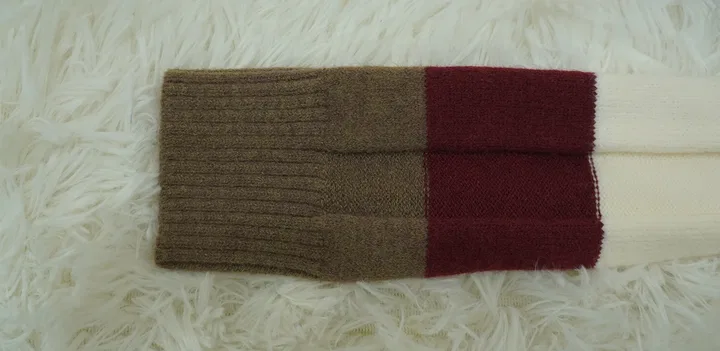
Quality & Price Guide
The commercial question: what actually drives the price of a yarn, and why the fibre name is almost never the answer.
Open →05
Yarn Comparison
Side-by-side comparisons on hand feel, warmth, drape, pilling, care and relative cost, without absolute performance scores.
Open →06
Yarn Count & Gauge
What 7 GG and 14 GG actually mean, how yarn count works, and why machine gauge is not yarn count.
Open →07
Yarn Selection Guide
Answer five questions and get two to four candidate yarn families with the reasons, the limitations and what still needs confirming.
Open →08
Yarn FAQ
The questions buyers ask most often about MOQ, timelines, sourcing, certifications and the difference between a yarn price and a garment cost.
Open →Browse by fibre.
Start with the fibre you have in mind, then narrow by budget position, construction and the product you are making.
Natural fibres
32 entriesRegenerated cellulosic
7 entriesSynthetic
21 entriesBlends
16 entriesFancy & specialty
7 entriesBrowse by budget position.
A budget position is a commercial targeting, not a quality grade. The same fibre can sit in different positions depending on grade, count and construction.
Popular comparisons.
Two materials, the same ten attributes, and no absolute performance scores.
Acrylic vs Cotton Yarn
Two very different routes to an affordable, easy-care knitwear product, with different hand feel, performance and cost logic.
Compare →Cotton vs Viscose Yarn
Cotton is matte and familiar, viscose is fluid and lustrous. The choice is about surface and drape, not about quality.
Compare →Acrylic vs Polyester Yarn
Two synthetic fibres with a similar price logic but a different surface and performance profile.
Compare →Merino Wool vs Regular Wool Yarn
Both are sheep's wool. The difference is fibre diameter, and that single variable changes the hand feel, the price and the end use.
Compare →Merino Wool vs Cashmere Yarn
Both are fine, soft and warm, and they sit at different points on cost. The comparison is about micron, length and price per garment.
Compare →Cashmere vs Alpaca Yarn
Both are fine, warm animal fibres with a soft halo. Cashmere costs more; alpaca is warmer and less likely to itch.
Compare →Learn the basics.
The short answers that come up in almost every first conversation.
Yarn count explained
Nm, Ne, tex and denier, and why the unit changes everything.
Read →What causes pilling
Fibre length, twist and construction, not the fibre name.
Read →Yarn price vs sweater cost
The yarn cone is rarely the largest line in a garment.
Read →Gauge vs count
Machine gauge is a machine spec. It is not a yarn count.
Read →How blends work
Every blend solves a stated problem. The ratio is the specification.
Read →What micron means
Fibre diameter, and the clearest justification for a price gap.
Read →Bring us a brief, get a real answer.
Tell us the product type, the target price and the quantity. We will propose two to four yarn candidates, say what still needs confirming, and arrange swatches before anything is committed.